Alisha Embroidery Font Review
As an embroidery designer who spends hours tweaking digitizing files and testing stitch patterns, I am always on the lookout for design assets that balance aesthetic charm with technical reliability. When I first encountered the Alisha Embroidery Font on Creative Fabrica, it caught my eye not just for its visual appeal, but for the specific mood it evokes. The product description promises a font that "captures her joyful spirit and spreads positivity with every stitch," adding "a touch of elegance and warmth." For those of us creating handmade products, those words are significant. They suggest a design that is ready to be used in real-world applications, from nursery decor to boutique apparel.
I recently evaluated this embroidery file with a specific commercial project in mind: a line of personalized back-to-school gifts and everyday carry items. This review breaks down how Alisha performs in practice, focusing on its suitability for small business owners, Etsy sellers, and crafters looking to expand their catalog with high-quality machine embroidery designs.
First Impressions and Visual Mood
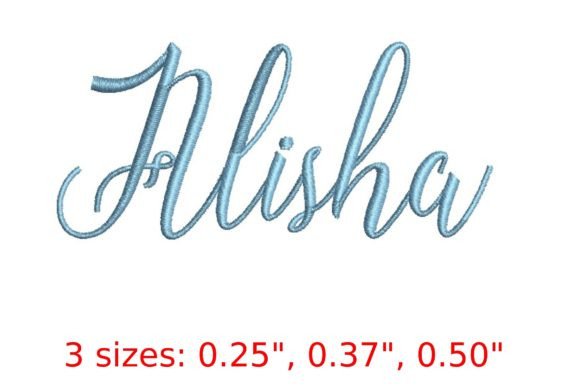
The immediate characteristic of Alisha is its script style. It avoids the overly rigid or stiff appearance that can plague many digital fonts. Instead, it feels fluid and organic. In the context of back to school themes or general stationery-related crafts, this font brings a sense of approachable elegance. It is not formal enough to feel cold, nor is it so casual that it lacks polish.
For designers, the "joyful spirit" mentioned in the description translates to a letterform that likely features gentle curves and varying stroke widths. This makes it ideal for projects where you want the text to feel hand-crafted rather than stamped. Whether you are creating a tote bag design for a student or a personalized gift for a teacher, Alisha provides a warm visual anchor. It pairs well with decorative elements, suggesting that it could work beautifully alongside simple floral motifs or geometric borders often found in design assets for seasonal collections.
Performance in Real Embroidery Projects
The true test of any digital embroidery file is how it translates from screen to fabric. I considered using Alisha across several common product categories to see if the design holds up under practical scrutiny.
Apparel and Accessories
When thinking about custom apparel, such as sweatshirt embroidery or caps, legibility is paramount. Script fonts can sometimes lose definition when stitched at smaller sizes. However, the structural integrity of Alisha appears robust enough for standard placement areas. On a cap, for instance, the font’s natural flow could follow the curve of the panel nicely, especially if used for short names or phrases. For apparel decorators, this means fewer re-dos and happier clients receiving their custom orders.
Similarly, for kitchen towels and aprons, which are staples in the handmade market, Alisha adds a domestic warmth. Imagine a set of kitchen towels embroidered with family names or cheerful phrases like "Bake" or "Gather." The elegance of the font elevates these utilitarian items, making them suitable for gifting or sale at craft fairs. The font’s ability to convey "positivity" aligns perfectly with the welcoming nature of home goods.
Nursery and Baby Items
The description’s mention of "warmth" is particularly relevant for baby items. A baby blanket or nursery decor featuring Alisha would feel tender and loving. Parents often look for items that feel special and curated. Using a font that has been "crafted with care" resonates with buyers who are investing in milestones. For Etsy listings, this emotional connection can drive engagement, as customers are buying into the sentiment behind the design, not just the physical product.
Patches and Decorative Accents
Embroidered patches are another growing niche. Alisha could serve as the focal point of a patch, perhaps surrounded by a simple satin stitch border. Because script fonts can have thin lines, it is crucial to ensure the digitization supports these delicate areas. If the file includes appropriate stitch density adjustments, it will hold its shape even on textured fabrics like denim or canvas often used for patches and bags.
Practical Considerations for Designers
While the aesthetic appeal is strong, a professional review must address the technical realities of production. Here are key factors to keep in mind when integrating Alisha into your workflow.
- Hoop Size and Scale: Always check the recommended hoop size for the file. Script fonts can become illegible if shrunk too small. Test stitching at various scales to determine the minimum usable size without losing character definition.
- Fabric Compatibility: The performance of the stitch density will vary depending on the material. On stretchy knits, proper stabilizer usage is non-negotiable to prevent puckering. On dense woven fabrics, the contrast between the thread and fabric becomes more apparent, so choosing the right thread colors is essential for visibility.
- Detail Inspection: After stitching, inspect small details closely. Ensure that connecting threads in the script do not create excessive bulk or breakage. This is especially important for items that require frequent washing, such as handmade product lines like dishcloths or children's clothing.
- Mockups and Photography: Before listing finished items, create printable mockups to visualize the font on different backgrounds. Seeing Alisha in light versus dark contexts helps confirm that the "elegance" remains consistent across various branding styles.
Impact on Product Value and Branding
Using a high-quality, well-designed font like Alisha directly influences perceived value. Customers can often tell the difference between a generic clip-art style font and a carefully digitized embroidery design. The latter suggests attention to detail and professionalism.
For creative entrepreneurs, consistency is key to building a brand. If Alisha fits your brand’s voice—warm, positive, and elegant—it can become a signature element in your shop. It works well for commercial embroidery projects where you need to produce multiple variations quickly while maintaining a cohesive look. Whether you are selling at a local craft fair or shipping globally via Etsy, the presentation matters. A neatly stitched name in Alisha on a tote bag looks intentional and premium, enhancing buyer trust and encouraging repeat purchases.
Final Thoughts on Usability
The Alisha Embroidery Font stands out as a versatile option for designers seeking to add a human touch to their digital offerings. Its ability to blend joy with elegance makes it suitable for a wide array of embroidery projects, from practical household items to sentimental keepsakes.
However, due diligence is part of the creative process. Before incorporating this font into your final production run, I strongly advise reviewing the specific file details on the Creative Fabrica product page. Confirm the file formats available, verify the licensing terms for commercial use, and ensure the digitization matches your machine’s capabilities. Testing on scrap fabric is always the best way to validate thread choices and stabilizer needs.
If you are looking to refresh your catalog with designs that feel personal and polished, Alisha is a strong contender. It offers the kind of quality that helps handmade goods stand out in a crowded marketplace. By paying attention to the practical details—from hoop size to fabric type—you can leverage this font to create beautiful, profitable finished products that resonate with your customers.