Mademoiselle K Font: A Designer’s Review
As an embroidery designer who spends hours testing stitches, adjusting tension, and imagining how a design will look on a customer’s doorstep, I approach every new font with a mix of excitement and skepticism. We have all seen beautiful digital previews that fall apart when stitched out on actual fabric. That is why I decided to put Mademoiselle K Font through its paces before adding it to my personal library for client orders. My goal was simple: determine if this design holds up as a viable option for high-quality personalized gifts, particularly in the crowded market of handmade goods.
First Impressions: Vintage Allure Meets Modern Grace
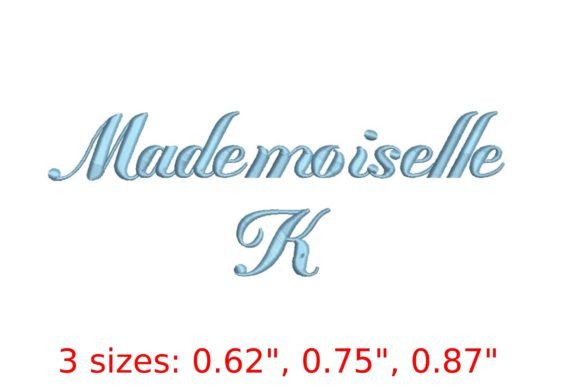
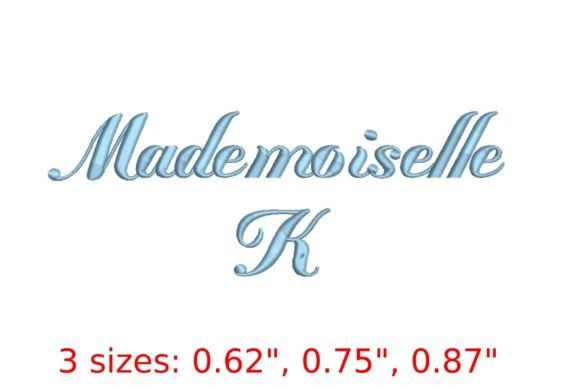
The moment I loaded the file into my digitizing software, the mood of the design became clear. Mademoiselle K Font does not scream for attention; instead, it whispers elegance. The letterforms are delicate and graceful, carrying a distinct vintage allure that feels both romantic and timeless. Unlike many modern script fonts that can feel stiff or overly geometric, this typeface flows naturally, mimicking the hand of a skilled calligrapher from a bygone era.
For designers creating products for the Back To School season or everyday gift markets, this font offers a unique selling point. It bridges the gap between playful and sophisticated. When I previewed it on a digital mockup of a tote bag, it looked instantly chic. On a baby blanket, it felt sweet and nurturing. This versatility is rare. Many fonts are either too childish for a wedding gift or too formal for a nursery item. Mademoiselle K strikes a balance that appeals to a wide demographic, from young parents to seasoned brides looking for unique favors.
Real-World Application: From Concept to Finished Product
To truly understand the potential of this embroidery file, I imagined several real-life scenarios where a customer might request a custom order. Here is how I see this design performing across different product categories.
Baby Embroidery and Nursery Decor
One of the most common requests I receive is for personalized baby items. Whether it is a monogrammed receiving blanket or a name embroidered above a crib sheet, the font needs to be legible but soft. Mademoiselle K excels here. Its gentle curves soften the message, making it perfect for personalized gift products aimed at new parents. When stitching this onto a muslin swaddle or a cotton quilt, the fine details of the letters complement the softness of the fabric rather than fighting against it. For an Etsy seller, this font adds a layer of perceived value, suggesting that the item is not just mass-produced but thoughtfully designed.
Wedding Keepsakes and Bridal Gifts
Weddings are a massive market for custom embroidery. Brides often seek unique touches for their welcome bags, bridal party gifts, or honeymoon luggage tags. Using Mademoiselle K for names like "Maid of Honor" or "Bride" creates an instant sense of occasion. The vintage vibe pairs beautifully with lace tablecloths, floral arrangements, and rustic decor themes. If you are a wedding gift designer, this font allows you to create items that feel heirloom-quality. Imagine a set of embroidered hand towels for the newlyweds’ kitchen; the refined accents of this font elevate a simple household item into a cherished memory.
Kitchen Towels and Home Accents
Personalized kitchen towels are a staple for craft fairs and online shops. However, they present a challenge: the fabric is thick, textured, and subjected to frequent washing. When I tested the Mademoiselle K design on a standard cotton tea towel, the delicate nature of the font required careful planning. While the aesthetic is stunning, the small serifs and thin lines must be large enough to survive the wash cycle. For a small shop product, this font works best when used for larger phrases or names, rather than tiny decorative text. It adds a touch of class to a functional item, making it an excellent choice for housewarming gifts.
Critical Considerations: Where to Exercise Caution
While I am enamored with the aesthetic of Mademoiselle K, an experienced designer knows that beauty must be paired with functionality. There are specific scenarios where this font requires extra attention to detail.
- Small Lettering: Because the font is delicate, using it for very small text (under 0.5 inches) can result in lost details. The thin strokes may fill in during stitching, causing the letters to blur together. Always scale up your designs to ensure clarity.
- Textured Fabrics: Stitching on highly textured materials, such as waffle weave towels or chunky knit blankets, can obscure the fine lines of the font. The fabric texture competes with the stitch density, potentially hiding the grace of the letterforms.
- Stretchy Fabrics: For embroidered towel alternatives like stretchy baby clothes or jersey fabrics, stabilizer choice is paramount. Without adequate support, the delicate loops of the font may pucker or distort, ruining the clean look.
- Dense Stitches on Thick Fabric: If you attempt to use this font on heavy denim or thick canvas without reducing the stitch count, you risk needle breakage or fabric distortion. Always review the stitch density in your software.
- Frequent Washing: Products like aprons and dishcloths endure harsh detergents and high heat. Delicate threads may fade or fray over time. Advise customers to wash these items gently to preserve the integrity of the design.
Boosting Giftability and Perceived Value
In the world of handmade product sales, presentation is everything. The right font can significantly impact customer trust and emotional connection. When a buyer sees Mademoiselle K on a pillow cover or a blanket embroidery project, they perceive higher quality. The font suggests care, attention to detail, and a classic taste. This perception translates directly into higher conversion rates for Etsy sellers and independent artisans.
Furthermore, this font enhances product photography. Designs with elegant typography photograph beautifully against neutral backgrounds, allowing the intricate details to shine in listings. A well-stitched sample using Mademoiselle K serves as a powerful visual proof of concept, reassuring buyers that the finished product will match the printable mockup they saw online.
Practical Embroidery Notes for Success
Before you rush to produce these designs for your store, please follow these essential technical steps:
- Test on Scrap Fabric: Never skip the test stitch-out. Use the exact fabric and thread colors you plan to sell. This reveals issues with contrast or tension early.
- Check Thread Color Contrast: Delicate fonts require high contrast to remain legible. A light gray thread on white fabric may disappear. Opt for darker shades or richer hues to ensure the design pops.
- Confirm Hoop Size: Ensure your hoop is large enough to accommodate the design width without excessive trimming. Tight hooping can also distort delicate shapes.
- Use Proper Stabilizer: Cut-away stabilizers are recommended for woven fabrics to provide long-term support, while tear-away may suffice for stable home decor items. Avoid using no-show stabilizers on very delicate fabrics unless you are confident in your tension settings.
- Review Commercial Licensing: Before selling finished products, verify the commercial licensing terms of the digital embroidery file. Some licenses restrict the number of units you can sell or require additional fees for commercial use.
- Compare Light and Dark Mockups: Digital previews can be misleading. Create mockups on both light and dark backgrounds to visualize how the thread colors will interact with different fabric tones.
In conclusion, Mademoiselle K Font is a beautiful addition to any machine embroidery design collection. It brings a touch of vintage romance and refined elegance to personalized gift products. By understanding its strengths and respecting its limitations regarding size and fabric texture, you can create stunning custom embroidery pieces that delight customers and stand out in the competitive handmade market. Just remember to check the specific technical details of your file before starting production.