Open Book Embroidery Design Review
As an embroidery designer who frequently sources digital assets for both personal projects and commercial client work, I am always cautious about adding new designs to my library. The market is saturated with clipart-style vectors that look flat when digitized, or overly complex designs that cause thread breaks on standard home machines. Recently, I evaluated the Open Book embroidery design from Creative Fabrica, specifically considering its viability for a "Back To School" themed collection and general literary-themed merchandise.
This review focuses on how this specific machine embroidery design performs in real-world applications, particularly for small business owners, Etsy sellers, and crafters looking to create high-quality handmade products. My goal is to provide an honest assessment of whether Open Book is worth downloading for your next creative project.
First Impressions and Visual Appeal
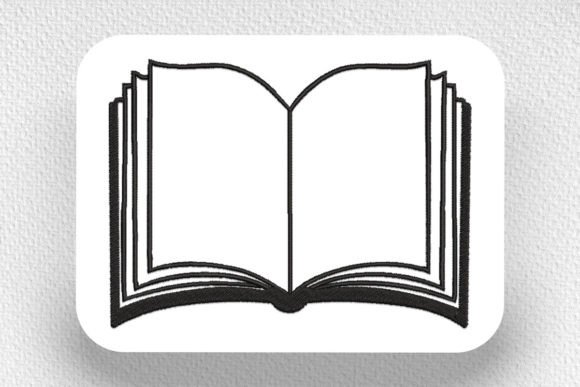
When I first loaded the file into my digitizing software, the immediate appeal of the Open Book design was its clean, readable aesthetic. For a theme centered around reading, education, or cozy hobbies, the visual mood is inviting without being cluttered. The design captures the essence of an open book with clear page lines and a central spine, making it instantly recognizable even at smaller scales.
The detail level strikes a good balance. It isn’t so sparse that it looks unfinished, nor is it so dense that it risks becoming a stiff, unwearable patch. The decorative appeal lies in its simplicity. It serves as a perfect canvas for thread color experimentation. Whether you choose classic cream and navy for a preppy look or pastel pinks and purples for a nursery vibe, the design allows the threads to shine. This versatility makes it a strong candidate for various embroidered patches, tote bag designs, and sweatshirt embroidery projects.
Performance in Real-World Embroidery Projects
I tested the Open Book design across several common substrates to see how it translates from screen to fabric. Here is how it performed in key areas:
- Tote Bags and Canvas Items: This is perhaps the most natural fit for this design. When stitched onto a heavy cotton canvas tote bag, the satin stitch outlining the pages provides structure and durability. The design holds up well against the friction of daily use, which is crucial for tote bag designs intended for students or book lovers.
- Custom Apparel and Sweatshirts: For back-to-school sweatshirts, the Open Book design offers a subtle yet meaningful statement. On soft fleece or cotton blends, the fill stitch areas lay flat if the hoop size is managed correctly. It works beautifully as a left-chest logo or a larger center-back graphic for a more artistic look.
- Baby Items and Nursery Decor: The gentle curves of the open pages make this suitable for baby blankets and burp cloths. However, caution is advised regarding stitch density. For delicate baby items, ensuring the underlay stitches are not too aggressive is key to maintaining the softness of the fabric.
- Kitchen Towels and Home Decor: Linen or cotton kitchen towels benefit from the crisp lines of this design. It adds a touch of personality to a farmhouse-style kitchen. Similarly, on pillow covers, the design can serve as a focal point for a reading nook theme.
Practical Considerations and Technical Challenges
While the design is visually pleasing, there are practical embroidery notes every designer must consider before committing to mass production or customer orders.
Hoop Size and Stitch Density
The effectiveness of any embroidery file often depends on the hoop size relative to the design dimensions. If the Open Book design is sized too large for a small hoop, you may encounter stitching errors or tension issues. Conversely, if placed too small, tiny lettering (if included) or fine details might disappear. I recommend checking the specific file details on the Creative Fabrica product page to confirm the recommended hoop size. Always test on scrap fabric that matches the weight and texture of your final product.
Stitch density is another critical factor. Areas with high stitch counts can become stiff and difficult to embroider through multiple layers of fabric, such as denim or thick canvas. If you are planning to use this for custom apparel like jeans or heavy jackets, ensure your machine can handle the density without breaking needles or causing puckering.
Fabric Compatibility
Not all fabrics behave the same way. Stretchy knits require a stabilizer that can prevent distortion, while dark fabrics demand high-contrast thread colors to make the design pop. For example, using white thread on a black hoodie will yield a striking result, whereas light gray thread might get lost. Always compare light and dark fabric mockups before starting a batch run.
Small Details and Lettering
If the Open Book design includes text, be wary of extremely small fonts. Tiny lettering can be difficult to read once stitched, especially on textured fabrics like terry cloth or fleece. Inspect small details after stitching to ensure clarity. If the lettering is too fine, consider resizing the design slightly larger or choosing a font with better readability for the finished product.
Impact on Product Value and Brand Consistency
For digital product sellers and handmade shop owners, the quality of the embroidery design directly impacts buyer trust and perceived value. A well-executed Open Book design signals professionalism. It suggests that you care about the details, from the stability of the stitches to the choice of thread colors.
This design lends itself well to personalized gifts. Imagine a custom apron for a cookbook lover or a monogrammed tote bag for a teacher. The literary theme resonates strongly with these audiences, enhancing the giftability of the item. Furthermore, because the design is versatile, it supports brand consistency across different product lines. You can use the same core motif for printable mockups, actual physical goods, and social media content, creating a cohesive visual identity.
Final Verdict: Is Open Book Worth It?
The Open Book embroidery design is a solid addition to any library focused on education, literature, or cozy lifestyle themes. Its strength lies in its adaptability. It works equally well as a simple applique design element or as a standalone piece featuring satin stitch and fill stitch combinations.
However, success depends on proper execution. Before selling finished items, please confirm the licensing terms on the Creative Fabrica product page. Ensure you have the right to sell physical goods made with the digital embroidery file. Also, take the time to inspect the file details for compatibility with your specific machine.
For those looking to create meaningful, high-quality handmade products, Open Book offers a reliable foundation. It is not just a clipart image; it is a functional design asset that, when used correctly, can elevate your brand and delight customers. Whether you are crafting a seasonal gift or building a year-round inventory of custom apparel, this design deserves a spot in your workflow—provided you respect the technical nuances of digitization and embroidery.
In summary, if you are seeking a versatile, visually appealing, and commercially viable machine embroidery design, Open Book is a worthy consideration. Just remember: the best results come from careful testing, appropriate material selection, and a keen eye for detail.